Source Aquaculture Feed Additive for Poultry, Livestock, Fish
Find 30 verified options for aquaculture feed additive including vitamins, minerals, and amino acids. Compare specifications like content percentage, packaging, and certifications to select the right product for poultry, livestock, and aquatic animals.
Key considerations
Products List


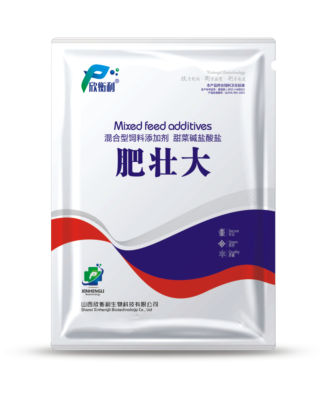


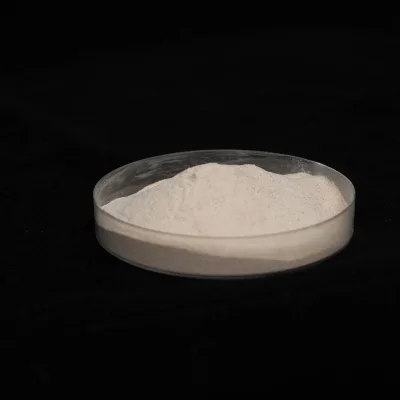


Comprehensive Sourcing Guide
Strategic Sourcing Guide for Aquaculture Feed Additives
The global aquaculture sector relies heavily on specialized feed additives to ensure optimal growth rates, disease resistance, and nutritional balance in aquatic environments. Sourcing these materials requires a rigorous approach that balances technical efficacy with supply chain reliability. Buyers must navigate a complex landscape where product attributes, such as chemical composition and physical form, directly impact the performance of the final feed. This guide outlines the critical factors for procuring high-quality aquaculture feed additives, focusing on verified specifications, compliance standards, and supplier evaluation criteria derived from current market data.
Technical Specifications and Product Attributes
The foundation of a successful procurement strategy lies in a precise understanding of technical specifications. Aquaculture feed additives are not monolithic; they vary significantly in chemical structure, physical appearance, and concentration. Based on observed market data, buyers should expect to encounter products with distinct physical forms, ranging from white crystalline powders to granulates. The physical state of the additive is crucial for its integration into feed manufacturing processes. For instance, powder forms like those identified by specific chemical formulas (C5H11ClO2S) and CAS numbers (4337-33-1) require different handling and mixing protocols compared to granulated variants.
Concentration levels are another pivotal specification. Market observations indicate a wide range of purity and content percentages, including values such as 30%, 40%, 70%, 95%, and 98%. The selection of the appropriate content percentage depends on the specific nutritional requirements of the target aquatic species and the formulation of the final feed. High-content additives (95% and above) are often preferred for precision feeding to minimize the volume of inert carriers, while lower concentrations may be used for bulk mixing. Furthermore, the classification of the additive is essential. Products are frequently categorized as vitamins, minerals, or amino acid additives, with specific functions such as attracting food or promoting growth. Buyers must verify that the product's stated function aligns with the operational goals of their aquaculture facility, whether that involves improving nutrition or stimulating appetite in fish.
Compliance, Certification, and Regulatory Standards
Navigating the regulatory landscape is a non-negotiable aspect of sourcing feed additives. In the aquaculture industry, compliance ensures that the additives are safe for aquatic animals and do not leave harmful residues in the final seafood product. A primary verification point for buyers is the presence of recognized quality management certifications. Data indicates that ISO certification is a common standard among suppliers, serving as a baseline for quality assurance. Some suppliers may also hold CE certification, which can be relevant for specific regional markets or equipment compatibility, though the primary focus for feed additives remains on food safety and quality standards.
Beyond general certifications, buyers must scrutinize the specific standards applied to the product. While some products are listed with customized standards, others adhere to defined benchmarks such as 98% purity or specific packaging standards like 25kg barrels. The origin of the product, predominantly China in current observations, necessitates a thorough review of export compliance and the ability to meet the import regulations of the destination country. Buyers should request documentation proving that the manufacturing process adheres to Good Manufacturing Practices (GMP) and that the product has undergone necessary testing for contaminants. The absence of a specific, universally mandated standard for every additive type means that the buyer must define the acceptance criteria based on the supplier's declared specifications and third-party verification reports.
Cost Drivers and Pricing Dynamics
Understanding the cost structure of aquaculture feed additives is essential for budgeting and negotiating effective contracts. The price of these products is influenced by several variables, including the chemical complexity of the additive, the purity level, and the scale of the order. Observed market data reveals a significant price variance, with unit costs ranging from $1.10 to $2,000. This wide spectrum reflects the difference between bulk commodity additives and specialized, high-purity compounds.
The Minimum Order Quantity (MOQ) is a critical factor in determining the effective cost per unit. Suppliers may offer MOQs ranging from 1 unit to 10,000 units. For smaller operations or those testing new formulations, lower MOQs are advantageous, though they may come with a higher unit price. Conversely, larger orders often unlock economies of scale, reducing the per-unit cost. Packaging also plays a role in cost; options such as 25kg barrels, 1kg bags, or customized packaging solutions can affect logistics expenses. Buyers should analyze the total landed cost, including shipping and handling, rather than focusing solely on the unit price. Customization requests, such as specific packaging or tailored formulations, will inevitably increase costs but may be necessary for operational efficiency.
Typical Applications and Functional Performance
The application of feed additives in aquaculture is diverse, targeting various stages of aquatic animal development and different species. The primary application areas include aquatic animals, livestock, and poultry, although the focus for this guide remains on aquatic species. Additives are designed to serve specific functions, such as promoting growth, improving nutrition, and acting as highly effective food attractants. For example, specific products are marketed explicitly as "Fish Growth Boosters," indicating a targeted use case for enhancing the growth rate of fish in farming operations.
The functional efficacy of an additive is often linked to its chemical composition. Amino acid additives like Methionine, Lysine, and Arginine are critical for protein synthesis and overall health. The presence of these specific types suggests that the additives are intended to correct dietary deficiencies or enhance the nutritional profile of the feed. Buyers should verify that the product's application matches their specific farming needs. For instance, an additive designed to attract food may be more suitable for juvenile fish with lower feeding efficiency, while a growth promoter might be essential for finishing stages. The versatility of some products, which can be applied to multiple animal classifications, offers flexibility but requires careful formulation to ensure optimal results for the specific aquatic species being farmed.
Supplier Evaluation and Selection Criteria
Selecting the right supplier is as important as selecting the right product. Buyers should evaluate potential partners based on their ability to provide consistent quality, reliable logistics, and responsive customer service. Key indicators of a reliable supplier include the availability of customization options, which demonstrate flexibility in meeting specific buyer requirements. The ability to offer customized packaging, such as OEM bottles, boxes, or specific bag sizes, is a strong indicator of a supplier's capability to integrate into the buyer's existing supply chain.
Transparency regarding product origin and manufacturing processes is another critical evaluation criterion. Suppliers based in China are common, but buyers must ensure that the supplier can provide clear documentation regarding the production location and quality control measures. The shelf life of the product, typically observed as 24 months or 2 years, is also a factor in supplier selection. A supplier with a robust inventory management system can ensure that buyers receive products with sufficient remaining shelf life. Additionally, the supplier's responsiveness to inquiries about storage requirements, such as the need to store products in a cool and dry place, indicates a commitment to maintaining product integrity throughout the supply chain.
Quality Control and Long-Term Procurement Considerations
Implementing a robust quality control (QC) protocol is essential for mitigating risks associated with feed additive procurement. Buyers should establish clear acceptance criteria based on the product's specifications, including content percentage, physical appearance, and chemical identity. Regular testing of incoming shipments against these criteria can prevent the introduction of substandard materials into the feed production process. The storage conditions recommended by the supplier, such as keeping the product in a cool and dry place, must be strictly followed to maintain the product's efficacy and shelf life.
Long-term procurement considerations involve building a sustainable relationship with suppliers who can adapt to changing market conditions and regulatory requirements. Buyers should prioritize suppliers who offer consistent product quality over time and who are willing to collaborate on continuous improvement initiatives. The availability of customized solutions allows buyers to tailor products to their evolving needs, ensuring long-term compatibility. Furthermore, understanding the lead times and production capacity of the supplier is vital for maintaining a stable supply chain. By focusing on these strategic elements, buyers can secure a reliable source of high-quality aquaculture feed additives that support the growth and profitability of their operations.
Comparative Overview of Product Variants
To assist in decision-making, the following table summarizes key observed product attributes and specifications. This comparison highlights the diversity in the market and helps buyers identify products that align with their specific technical and operational requirements.
| Product Model | Appearance | Content (%) | Shape | Primary Application | Packaging Options |
|---|---|---|---|---|---|
| IFIPW091702 | White Powder | 98% | Powder | Aquatic Animal Feed Additives | 25kg/Barrel or Customized |
| IFIPW092205 | White Crystalline Powder | 40% | Powder | Aquatic Animals, Livestock, Poultry | 500g/Bag, 1kg/Bag, 25kg/Barrel |
| IFIP-DZS | N/A | 30%, 40%, 70%, 95% | N/A | Promote Growth, Improve Nutrition | Customized |
| HS | N/A | 95% | N/A | Animal Feed Additive | N/A |
| IFIPW073006 | N/A | N/A | N/A | N/A | Custom Make as Requests |
| IFIP-BH-98 | N/A | 98% | N/A | N/A | 1kg/Bag or OEM |
| Vitboo-Fish Growth Booster | N/A | N/A | N/A | Fish Growth Booster | OEM Bottles, OEM Boxes |
This overview underscores the importance of matching specific product models to the buyer's needs. While some models offer high purity and specific physical forms, others provide flexibility in content percentages and packaging. Buyers should use this data as a starting point for further due diligence, ensuring that the selected product meets all technical and regulatory requirements for their specific aquaculture operation.
FAQs
What certifications do aquaculture feed additives typically hold?
Most products carry ISO certification, with some suppliers also holding CE certification. These standards verify quality management systems and safety compliance for aquatic animal feed additives.
How is the content percentage of these additives determined?
Content levels vary significantly, ranging from 30% to 98% depending on the specific product model. High-purity options like 98% are available for precision feeding, while lower concentrations suit bulk mixing.
Which physical forms are available for aquatic animal feed additives?
Products appear as white powder, white crystalline powder, or granulate forms. The physical shape influences how the additive integrates into feed manufacturing processes and handling protocols.
Can buyers request customized packaging for these additives?
Yes, customization is available for packaging sizes and types. Options include 25kg barrels, 1kg bags, OEM bottles, or tailored solutions to meet specific logistical requirements.
How long is the shelf life of aquaculture feed additives?
The shelf life typically lasts 24 months or 2 years when stored correctly. Buyers must ensure storage in a cool and dry place to maintain product efficacy and quality over time.
What is the minimum order quantity for sourcing these products?
Minimum order quantities range from 1 unit up to 10,000 units depending on the supplier. Lower MOQs allow testing new formulations, while larger orders often reduce the per-unit cost.
Where are these aquaculture feed additives primarily manufactured?
The majority of observed products originate from China. Buyers should verify export compliance and manufacturing documentation to ensure the product meets their specific import regulations.